First festival ever? The Nordic starter list for 2026
The easiest first festival is a city festival, then a small camping one. Verified 2026 dates for eight Nordic starters and the five things to sort first.

The easiest first festival is a city festival: music all day, your own bed at night. Then a small camping festival, where you learn tent life on friendly terms. Only then the deep end, a full week on a giant site. The Nordics run all three levels every summer, and in 2026 you can still catch each of them between early August and early September.
This is the starter ladder, with verified 2026 dates for every festival on it, plus the five things worth sorting before any first festival: ticket, sleep, power, storage and payment.
The starter ladder at a glance
| Festival | Dates 2026 | Where | Tent needed? |
|---|---|---|---|
| Øya | 12 to 15 Aug | Oslo, Norway | No |
| Flow Festival | 14 to 16 Aug | Helsinki, Finland | No |
| Rakettnatt | 27 to 29 Aug | Tromsø, Norway | No |
| Festningen | 4 to 5 Sep | Trondheim, Norway | No |
| Wonderfestiwall | 13 to 16 Aug | Bornholm, Denmark | Yes, or book a pre-pitched one |
| Tønder Festival | 26 to 29 Aug | Tønder, Denmark | Yes |
| Smukfest | 2 to 9 Aug | Skanderborg, Denmark | Yes, the full week |
| Roskilde Festival | 26 Jun to 3 Jul 2027 | Roskilde, Denmark | Yes, the full week |
Level 1: a city festival, your own bed
No tent, no queue for a cold shower, no carrying your life in a backpack. You walk in, see music until the site closes, and sleep at home or in a hostel. If festivals turn out not to be your thing, you found out cheaply.
Øya runs 12 to 15 August in Tøyenparken in Oslo. It is Norway's flagship city festival, and the park sits inside the city, so you are never far from a bed when the last band finishes. Official site: oyafestivalen.no.
Flow Festival takes over the old Suvilahti power plant area in Helsinki, 14 to 16 August. Industrial backdrop, strong food scene, very first-timer friendly. Official site: flowfestival.com.
Rakettnatt is 27 to 29 August on Stortorget, the main square in Tromsø. A festival in the middle of a city, above the Arctic Circle. Official site: rakettnatt.no.
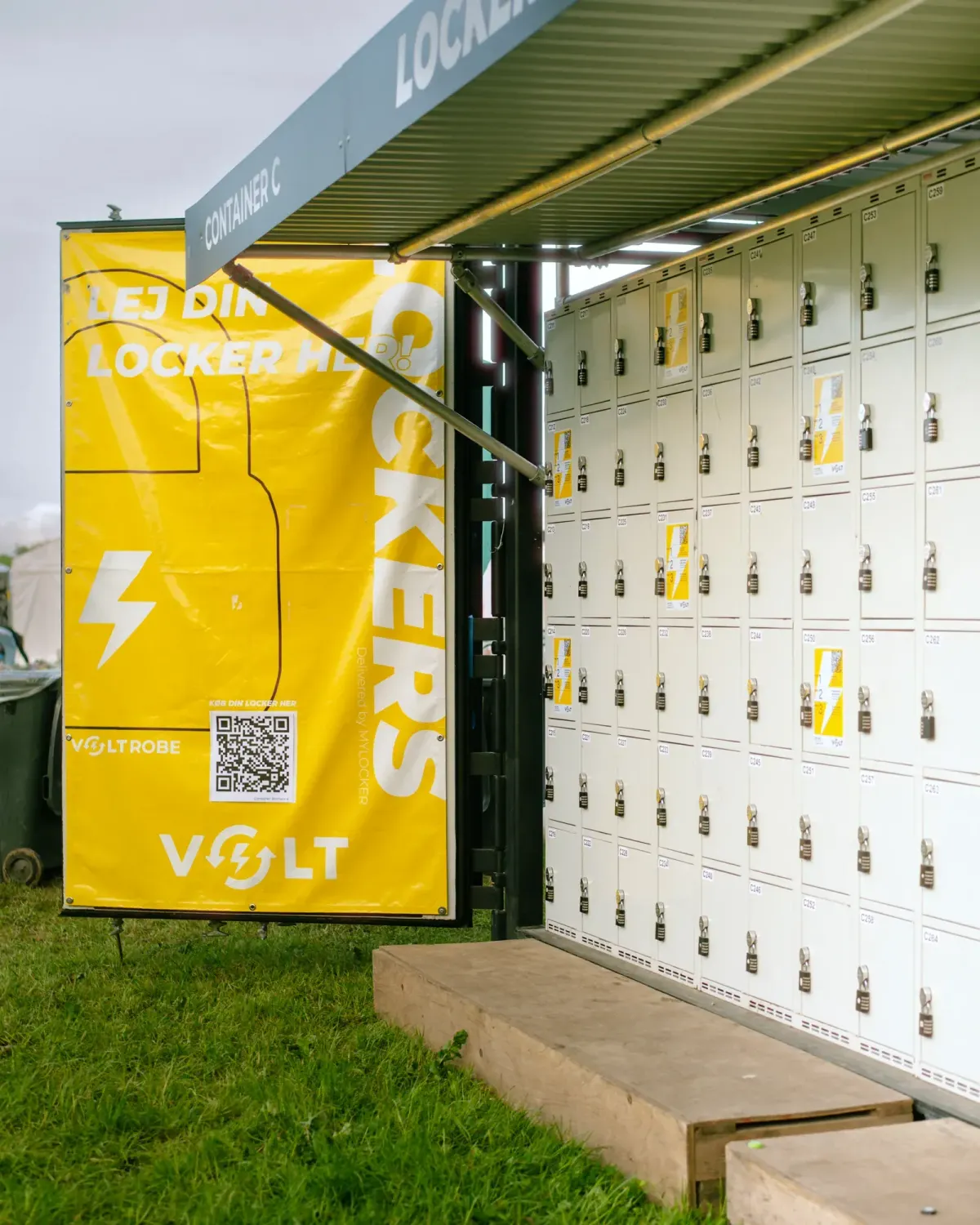
Festningen closes the season, 4 to 5 September at the fortress above Trondheim. Two days, no camping, and lockers on site run by Volt, so you can drop a jacket and hoodie for the cold evening instead of carrying them all day. We wrote a full practical guide to Festningen 2026. Official site: festningen.no.
One thing to check before you buy: age limits. Some Nordic city festivals are 18 plus, like Hellsinki Metal Festival in Helsinki on 7 to 8 August. It is always on the official info page. Read it before you invite your younger sibling.
Level 2: a small camping festival
Camping is half the point of Nordic festival culture. A smaller festival lets you learn it gently: shorter distances, calmer camps, and if something goes wrong you are never far from help.
Wonderfestiwall runs 13 to 16 August on Bornholm, near Hammershus. It is a strong first camping festival for one honest reason: you do not have to own a tent. The Camping+ area rents cabins, tipis and pre-pitched tents, and the regular camping area sells fixed plots so your group knows exactly where it lives. Quiet hours from 23:00 keep it civilised. Weekend passes for 2026 are sold out, with a few single-day tickets left. Official site: wonderfestiwall.dk.
Tønder Festival, 26 to 29 August in southern Denmark, is the folk and roots option. Calmer crowd, famously welcoming, camping next to the site. Official site: tf.dk.
Level 3: the deep end
Smukfest, 2 to 9 August in the beech forest outside Skanderborg, is a full week of camp life. It is one of Denmark's best-loved festivals, and the forest setting is genuinely beautiful, but a week in a tent is a commitment. Volt runs Event Lockers there all week plus charging across the camps, which takes two of the classic beginner problems off the table. Start with the Smukfest 2026 festival guide. Official site: smukfest.dk.
Roskilde Festival is one of Northern Europe's largest festivals, and its next edition runs 26 June to 3 July 2027. Eight days including the warm-up. Do a smaller festival first, then do Roskilde with people who have been before. Official site: roskilde-festival.dk.
Want the full landscape instead of a starter list? We keep a country-by-country overview in Nordic summer festivals 2026.
The five things to sort before any first festival
1. Ticket and ID
Buy from the festival's official site or its named ticket partner, nothing else. Check the age limit and bring physical ID. Danish festivals also publish bag rules, and they differ more than you would expect. We compared them in what you can bring into a Danish festival in 2026.
2. Sleep
City festival: book a bed early, prices climb fast in small cities. Camping festival: borrow a tent before you buy one, or pick a festival with pre-pitched options. Earplugs cost less than a bad night.
3. Power
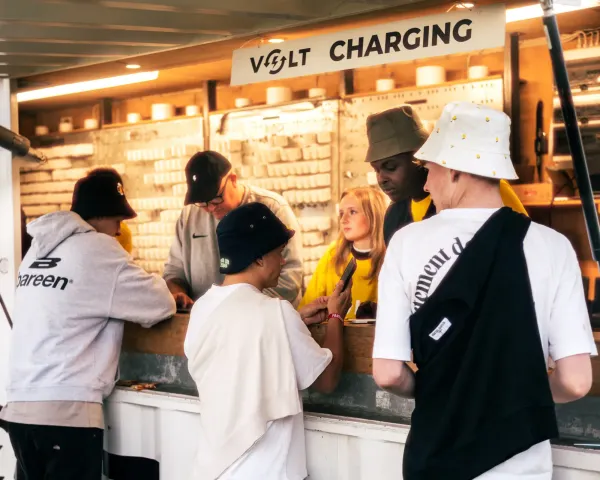
Your phone is your ticket, your payment card and your way of finding your friends. Festival sites are hard on batteries, and many camping areas have no power at all. The fix is not a wall socket, it is a powerbank you can swap when it runs flat. At festivals where Volt runs charging, you rent a Volt-Charger, swap it once a day for a full one, and get your deposit back when you return it.
4. Storage
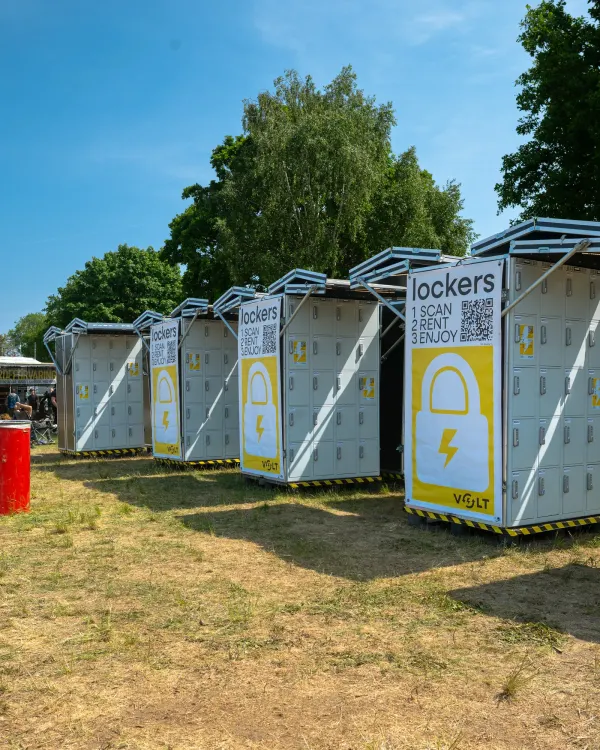
The first-timer mistake is carrying everything all day. Event Lockers fix that: book online, get your code by email and SMS, open and re-lock it as often as you like. If you are unsure how much locker you need, we wrote a short guide on choosing between a day locker and a full-festival locker.
5. Payment
Nordic festivals are mostly cashless, and some run their own payment card you top up on site. Check the official info page the week before, and bring the physical bank card as backup. Phone dead means payment dead if everything lives in your wallet app, which is one more reason power is point three.
The three rookie mistakes
Arriving late on day one. Wristband queues are longest in the first hours, and at camping festivals the good spots go early. Aim to arrive when the gates or the camping area open, not when the first band you know starts.
Carrying everything, all day. Heavy bag at 14:00 means misery by 22:00. One small bag, one locker, everything else at camp or at home.
Planning every hour. Pick two or three acts a day you refuse to miss and leave the rest open. The best festival stories come from the gaps in the schedule, not the schedule.
FAQ
Do I have to camp at my first festival?
No. A city festival like Øya, Flow or Festningen gives you the full festival day without tent life. Camping is worth trying eventually, but it is a level, not an entry requirement.
Can I go to a festival alone?
Yes, and plenty of people do. Pick a city festival, plan two or three must-see acts, and let the rest happen. Smaller sites make it easy to talk to people. Agree a meeting point with any friends you make, because reception drops when the crowd peaks.
What should I do with my stuff during the day?
Bring less than you think, and use a locker for the rest. A powerbank, sunscreen, a light rain jacket and your ID cover most days. Everything else can sit behind a code in an Event Locker.
Which Nordic festivals can I still catch in 2026?
As of late July: Smukfest (2 to 9 August), Hellsinki Metal Festival (7 to 8 August, 18 plus), Øya (12 to 15 August), Wonderfestiwall (13 to 16 August, day tickets only), Flow (14 to 16 August), Jugendfest, Pstereo and Parkenfestivalen (all 21 to 22 August), Tønder (26 to 29 August), Rakettnatt (27 to 29 August) and Festningen (4 to 5 September).
How early should I arrive on day one?
Earlier than you think. Entry queues, wristband exchange and finding your bearings eat an hour easily. At camping festivals, arriving early on opening day is how you get the good spots.
Start small, sort the five basics, and your first festival becomes the first of many. The tent can wait a year. The ticket should not.